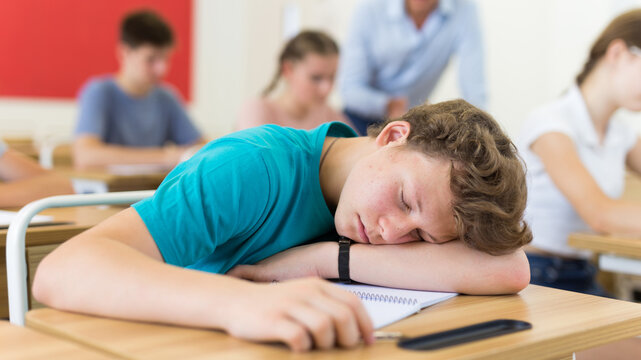
High school students often struggle to get enough sleep, especially when they balance homework, extracurricular activities, and their personal lives. At RCHS, students in different grade levels have different workloads and responsibilities, which affects how much sleep they get each night.
According to the Centers for Disease Control and Prevention, teenagers between the ages of 13 and 18 should get eight to ten hours of sleep each night. Based on the sample results, every grade level at RCHS fails that recommendation. Not getting enough sleep can make it harder for students to concentrate in class, remember information, and stay focused for the whole day. Students who regularly stay up late also feel more tired during their morning classes.
According to a survey of RCHS students, freshman students get the most amount of sleep, averaging about 7.6 hours of sleep. Sophomores get 7.1 hours, while juniors average 7 hours. Seniors get slightly more sleep than juniors, averaging 7.2 hours each night.
Although freshmen get the most sleep, the difference between grade levels is not as large as some students might expect. All 4 grade levels average about 7 hours of sleep, showing that students across RCHS have similar sleeping habits.
One reason students may not get enough sleep is because of the amount of homework they have. Many students stay up late finishing homework or studying for tests. Others have sports, clubs, and other activities that leave them with less time to complete their homework after school.
Freshmen may get less sleep because they are still adjusting to high school. However, students in higher grade levels take more difficult classes, like AP courses, which can require more time outside of school.
Juniors had the lowest average amount of sleep at seven hours per night. This could be because junior year is a busy time for students, with harder classes and preparation for college. These responsibilities can make it difficult for students to find enough time to sleep.
Seniors averaged slightly more sleep than both sophomores and juniors. While seniors also have challenging classes and college applications to worry about, most of them have more control over their schedules or have already found better ways to manage their time.
However, the results show that being in a higher grade does not always mean getting less sleep. The difference between juniors and seniors was only 12 minutes, while freshmen averaged just 44 minutes more than juniors. This shows that sleep schedules depend more on personal habits and responsibilities rather than grade level alone. Many students also stay up late being on their phones, which is also a major reason for less sleep.
According to the Centers for Disease Control and Prevention, teenagers between the ages of 13 and 18 should get eight to ten hours of sleep each night. Based on the sample results, every grade level at RCHS fails that recommendation. Not getting enough sleep can make it harder for students to concentrate in class, remember information, and stay focused for the whole day. Students who regularly stay up late also feel more tired during their morning classes.
Overall, the results suggest that RCHS students get similar amounts of sleep regardless of grade level. Even though freshmen average slightly more sleep, none of the four grades reach the recommended amount. With schoolwork and other responsibilities taking up much of their time, students will continue to struggle to get enough sleep throughout high school.