
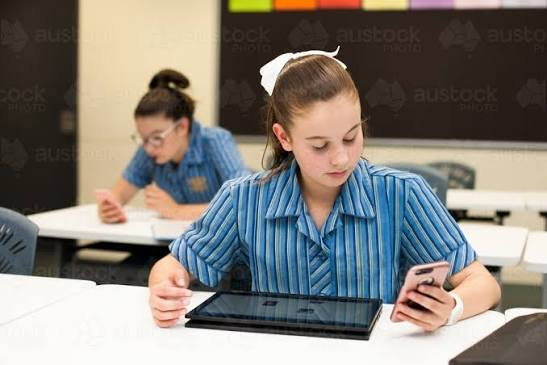
An argument commonly heard amongst parents and their children are debates about phone usage. Although smartphones make communication and accessing information easier, their increased presence in students’ lives have raised concerns about their concentration, academic performance and more.
One big concern is how easily students can get distracted. According to a 2024 Pew Research Center survey, 72 percent of high school teachers say cellphone distractions are a big problem in school. With notifications, messages and social media constantly being available, students often find it difficult to stay focused on what needs to be done.
However, phones are not necessarily harmful in every situation. Students can use them to look up information when they’re confused, communicate with classmates about assignments, and keep in touch with family online. In fact, Pew Research Center found that 45 percent of teenagers agree that smartphones make it easier for people their age to succeed in school.
“My phone often distracts me, but at times it’s useful too,” Freshman Myra Mishra states. “I find it practical for when I need to talk to my family.”
Despite smart phones’ many benefits, the hard part is finding a balance between using them productively and becoming distracted from them. Rather than giving them a direct definition of being bad or good, students should consider how their personal habits affect their routines. Putting phones away during class, silencing notifications and spending more time interacting with others face to face are changes that may seem small but could make a big difference in the long run.
As we watch smartphones continue to become a big part of many teens today, the question is no longer if students should or should not use their phones, but rather how to use them while maximizing productivity.


