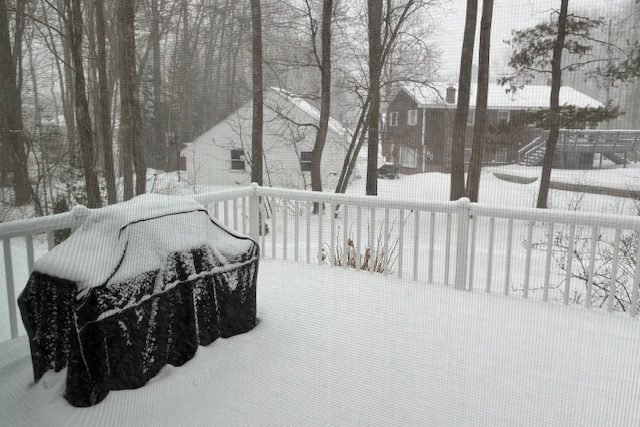
This past month, a powerful winter storm swept across the northeastern United States, bringing about heavy snowfall, winds, and major travel disruptions. The storm concentrated over several large cities along the East Coast, including NYC, Boston, Providence, and Philadelphia. Students were quick to rejoice over the potential for delays, but airlines struggled, and roads quickly became dangerous. This may seem typical for northern states; however, this was the largest blizzard recorded in most areas since 2018.
Along with these cold conditions, cities had to take unique measures to ensure their citizens were safe and capable of travel. Most notably, New York City, which endured the 10th biggest snowstorm in New York’s history. Their mayor, Zorham Mamdani, implemented several ambitious strategies. Firstly, by initiating a program that invited the public to shovel alongside city workers for $30 to $40 an hour. Many were quick to judge this proposal, including the president, who mocked the mayor’s approach on live television. Mamdani responded to such critiques on CNN, stating, “…this emergency snow shoveler program is one that allows every single sanitation worker to be on the plows, to be on the salt spreaders, to get this city back up and running.” Additionally, Mamdani focused on staffing in other areas, such as the Department of Homeless Services. This shift allowed the NYPD to handle more pressing issues, while the DHS took care of vulnerable citizens.
Further south, Philadelphia experienced slightly warmer temperatures but still faced heavy snowfall and strong winds. City officials declared a snow emergency, activating plowing crews and restricting driving on major routes to allow snow removal vehicles to operate more efficiently. While workers attempted to keep roads and tracks safe, public transportation systems slowed or temporarily suspended some routes. Many businesses closed early in anticipation of worsening conditions, and residents were advised to stay indoors.
In Boston, officials relied on lessons learned from previous major blizzards. They responded by preparing hundreds of plows and salt spreaders weeks before the blizzard hit, allowing crews to respond quickly once snow actually started to accumulate. Airports across the region also faced disruptions, with hundreds of flights delayed or canceled as airlines attempted to navigate dangerous weather conditions. Luckily for Boston, this early preparation paid off, and they saw significantly less transportation gridlock than during past storms.
This snowstorm’s unprecedented handling set potential for a new approach at dealing with severe weather. Each city government has a lot of power in dictating how these preparations should be conducted, and by looking at the big picture, Americans can assess for themselves how weather strikes best be handled. From creative labor programs in New York to strict emergency measures in Philadelphia, cities across the Northeast demonstrated their own individual strategies.
With weather patterns changing due to climate change, more creative approaches may be necessary. How would you like to see Raleigh handle such an obstacle?